Energy transmission
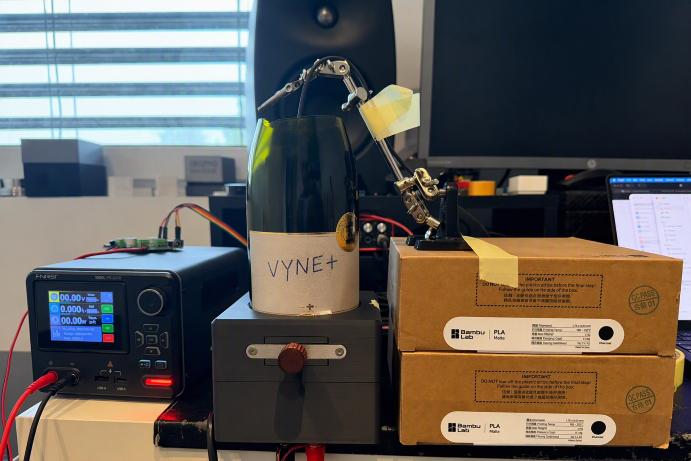
Direct mechanical coupling transfers far more sound energy into the wine than a loudspeaker in a room — making the process efficient, controlled and repeatable.
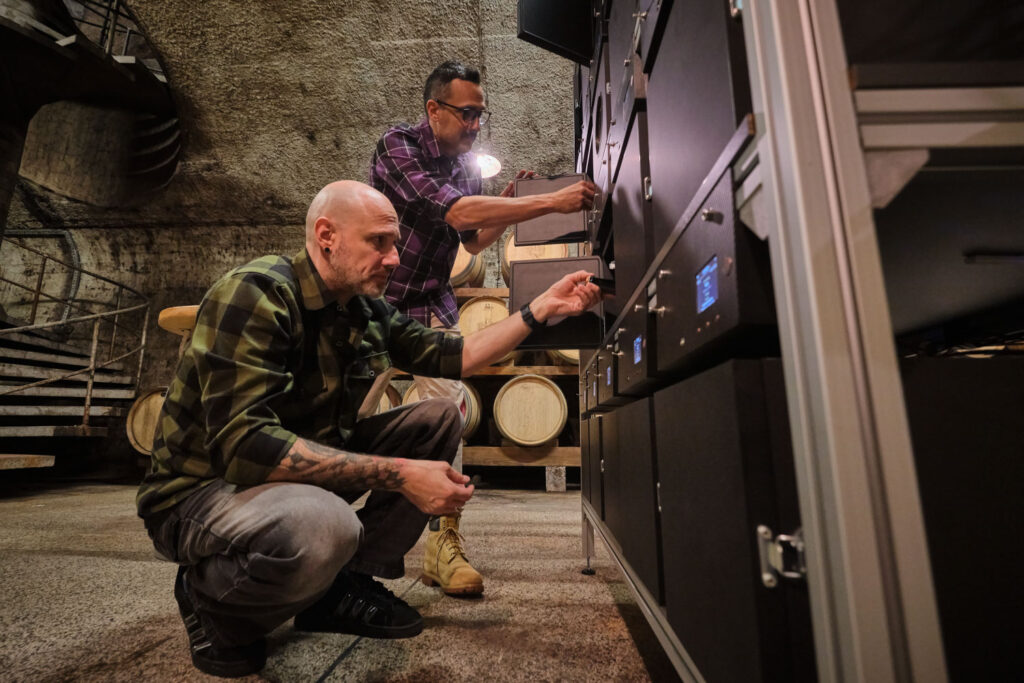
Sound is not just heard — it is felt as vibration. When transferred into wine as controlled mechanical movement, it influences yeast activity, aroma formation, texture, and ageing. In sparkling wines, it also shapes bubble behaviour and mousse quality.
Measured cell density after fermentation, against a silent control.
External studies validate this principle in fermentation research. Research on Saccharomyces cerevisiae shows that selected sound conditions increased yeast growth by up to 23% and shifted volatile metabolites linked to citrus, floral, and fruit notes.1 The studies also confirm that frequency, intensity, and delivery method shape the biological response.2

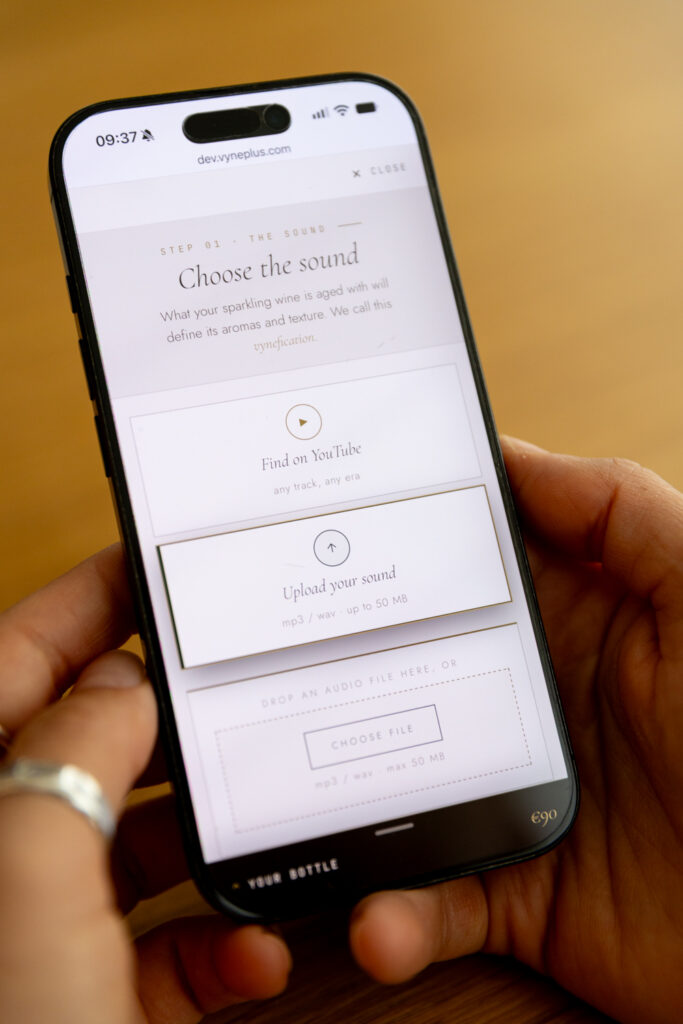
A track, recording or personal sound is chosen.

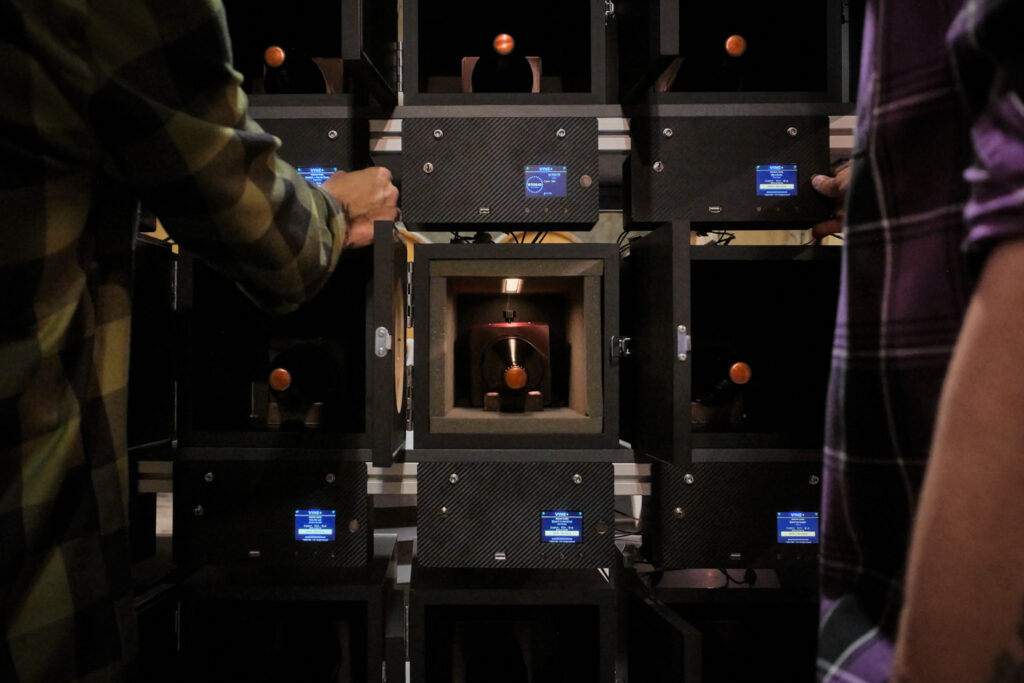
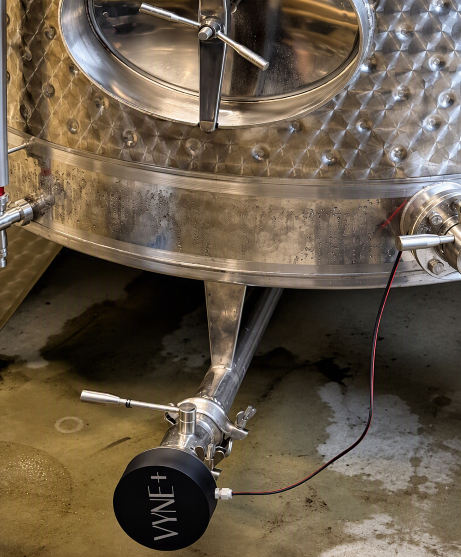
Patented devices are mounted directly onto the barrel or bottle.

Sound becomes mechanical vibration at a set frequency and intensity.

Structure, texture and aroma develop in a repeatable environment.
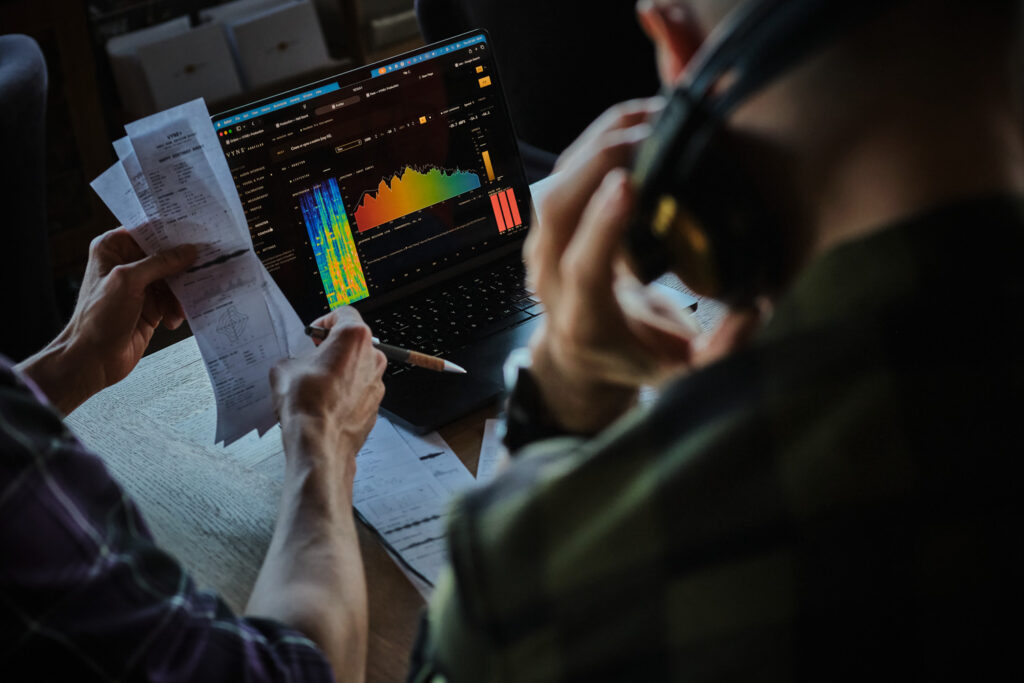
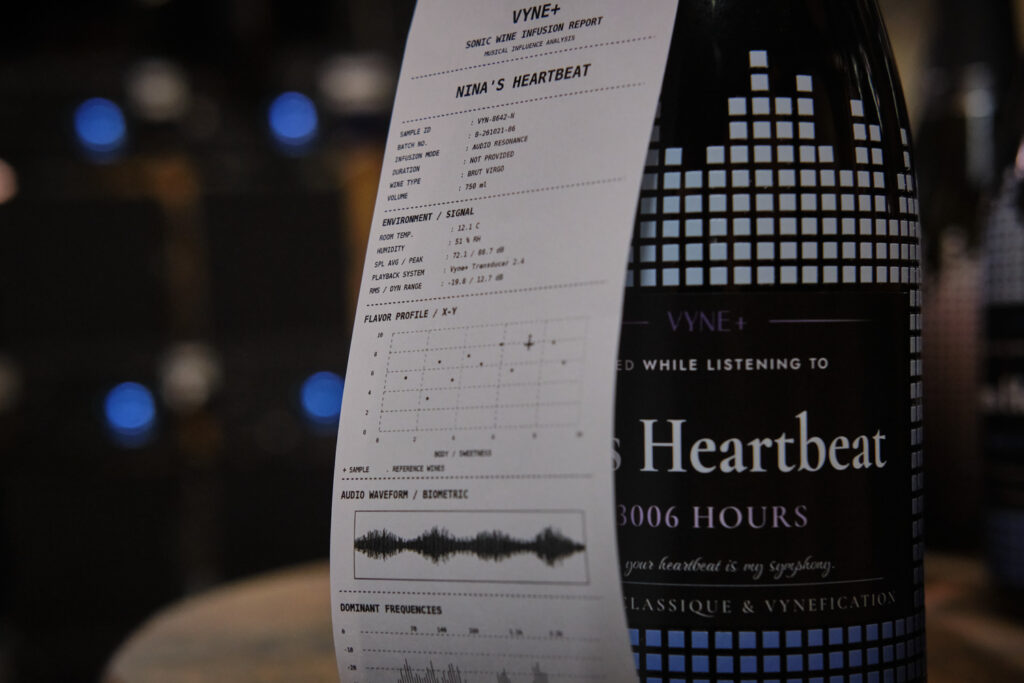
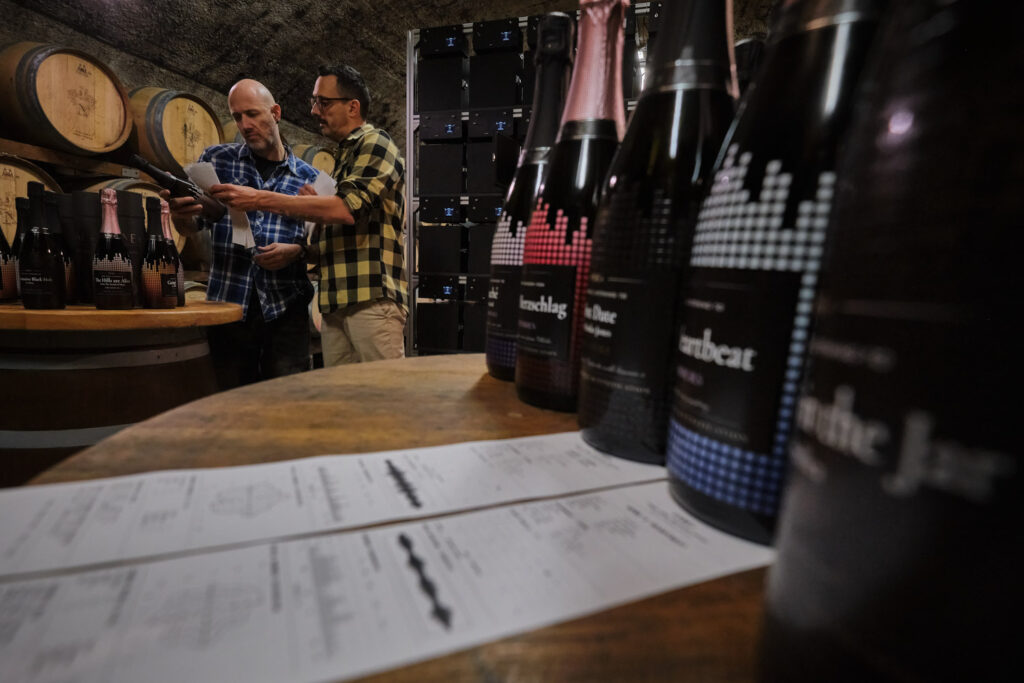
VYNE+ plays selected audio through patent-pending devices directly to the barrel or bottle. The sound travels through the wine as mechanical vibration, creating a controlled and repeatable environment that shapes structure, texture, and aroma. Chemical analysis confirms measurable differences versus silent controls.
See more in Results
Direct mechanical coupling transfers far more sound energy into the wine than a loudspeaker in a room — making the process efficient, controlled and repeatable.
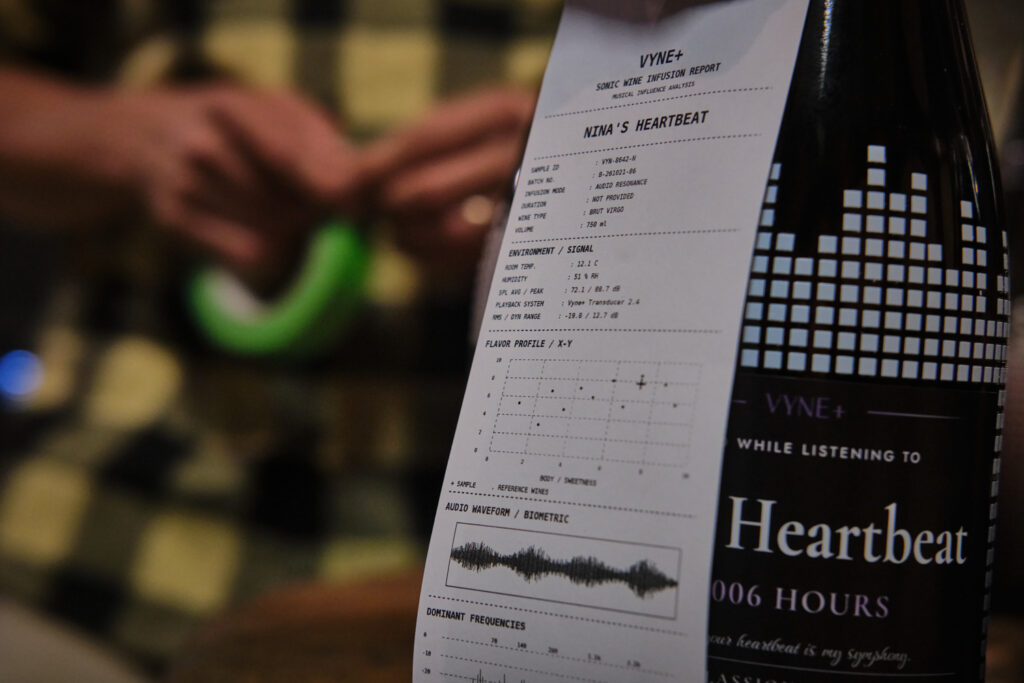
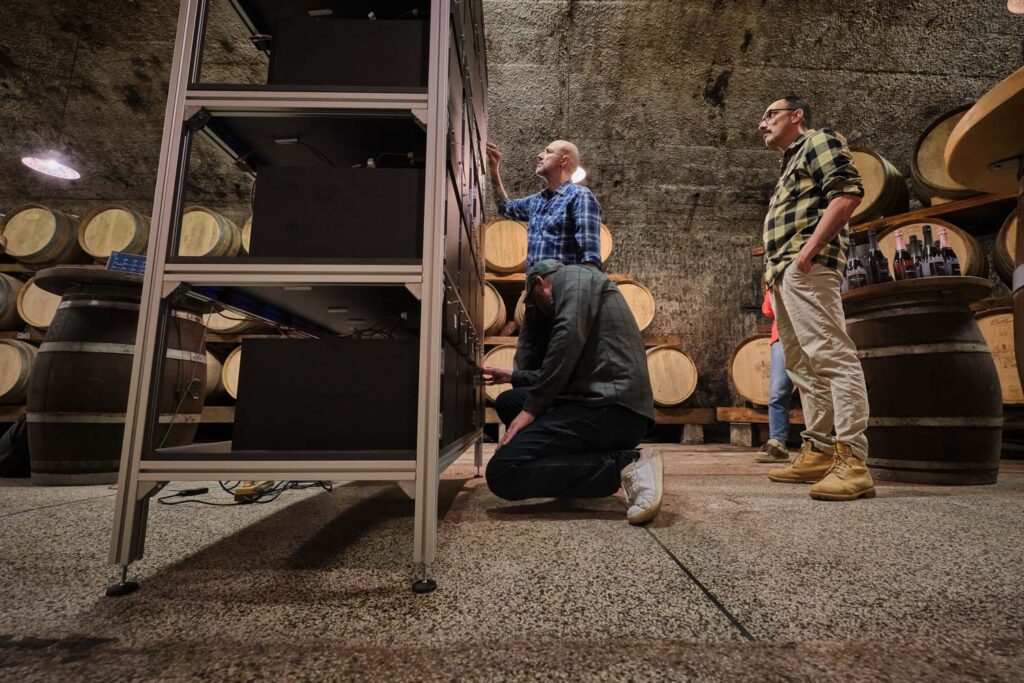
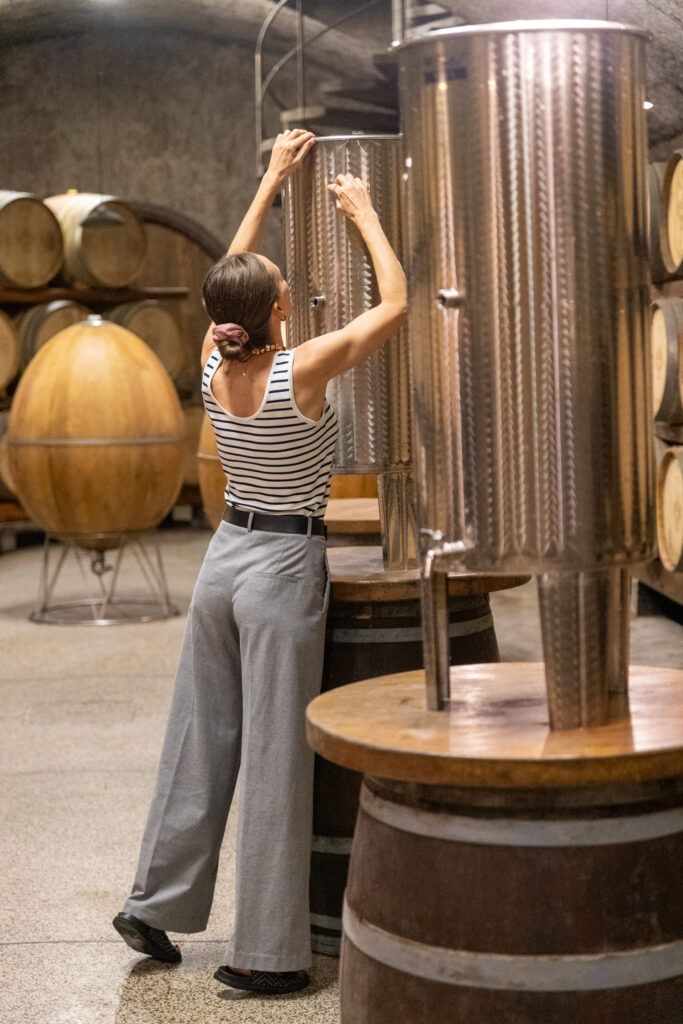
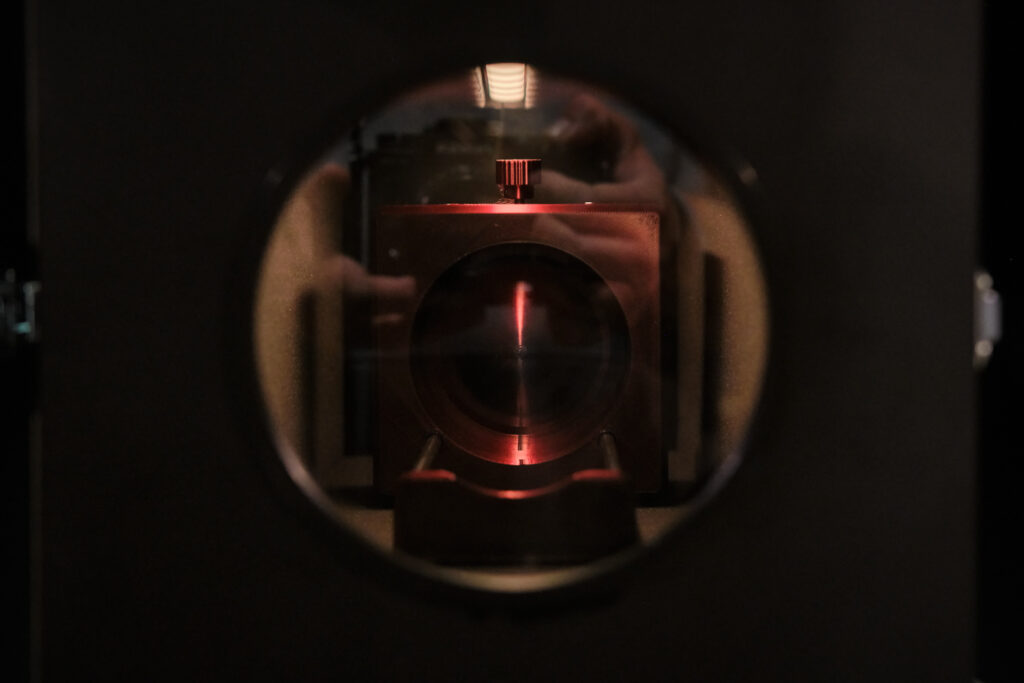
The device stays outside the barrel or bottle, transferring vibration through the vessel wall while keeping the wine untouched, hygienic and cellar-safe.

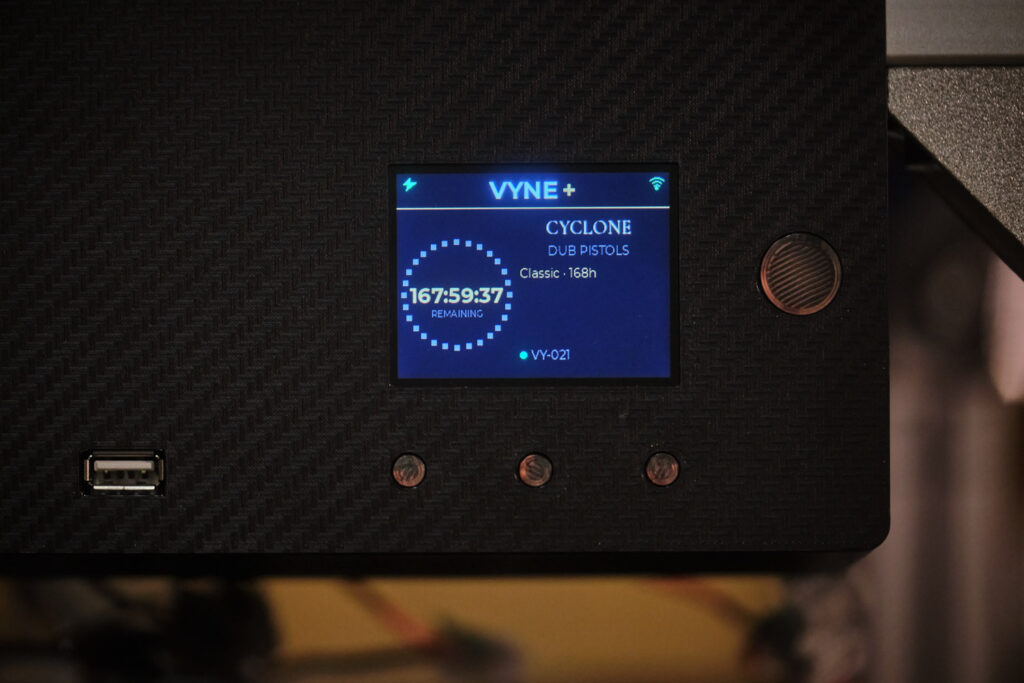
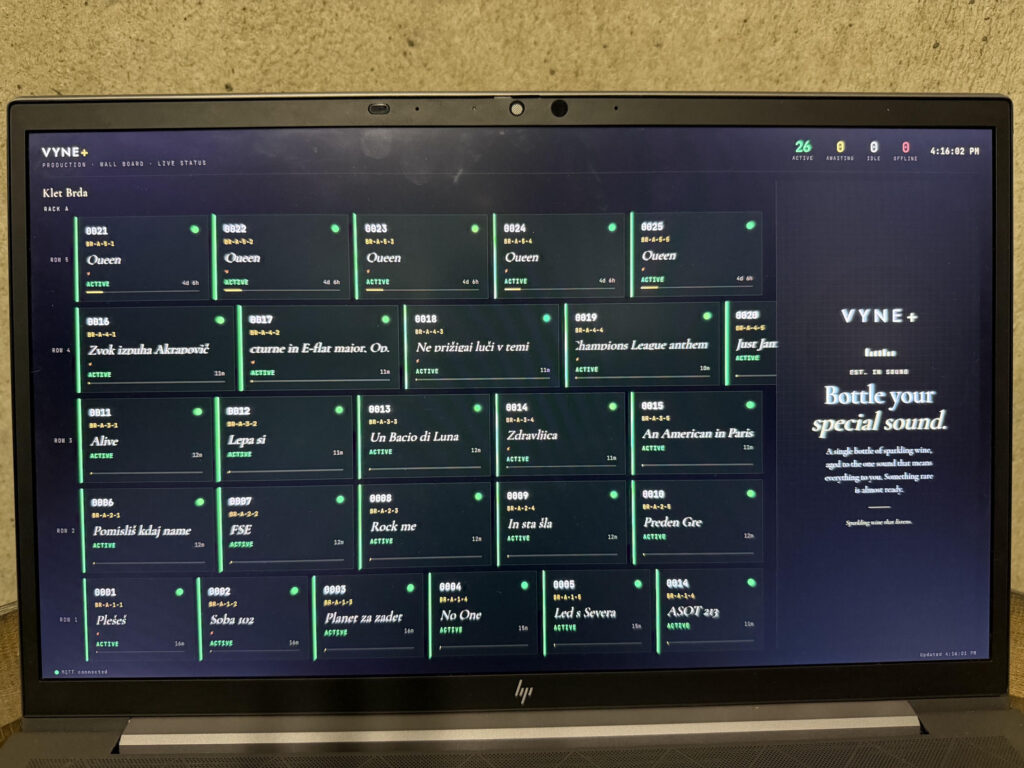
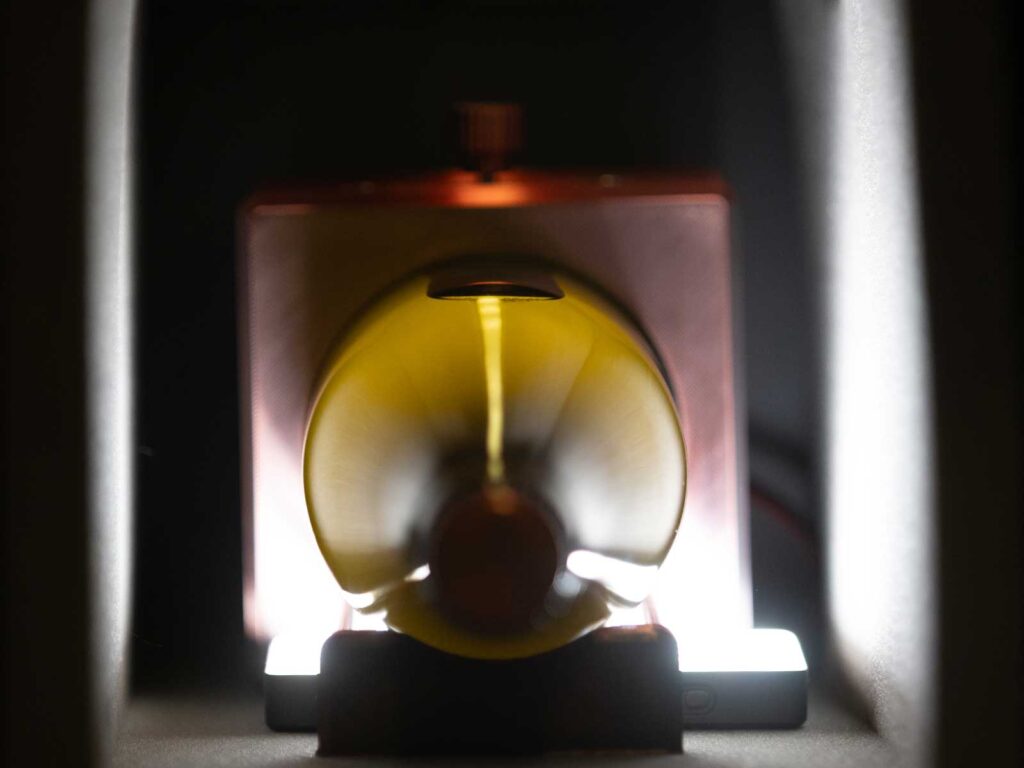
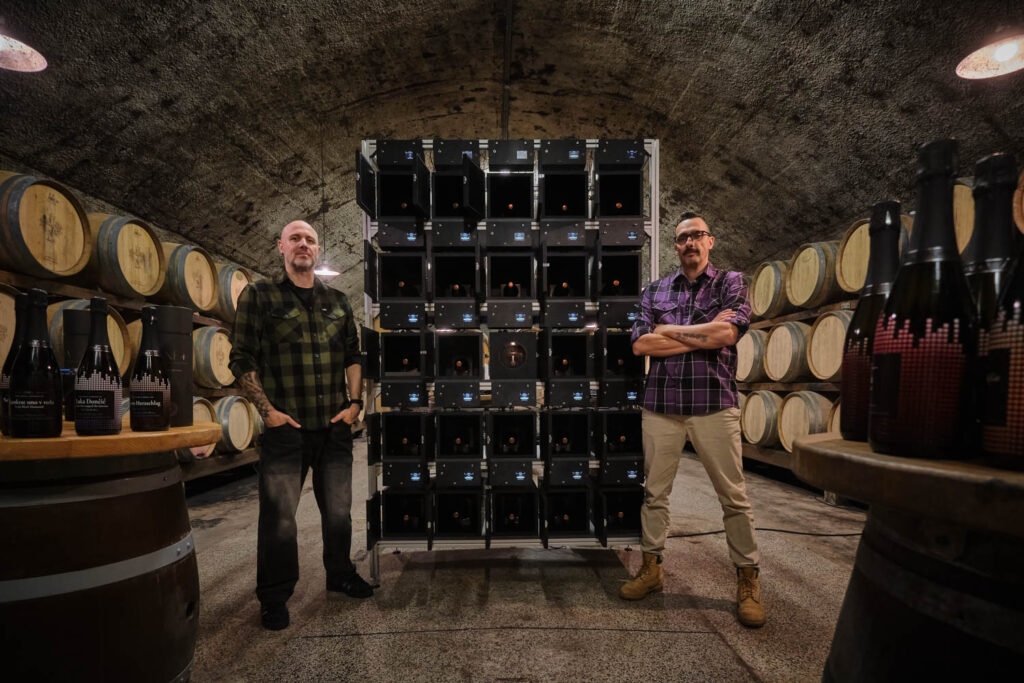
Each bottle is placed in its own sealed, sound-insulated VYNEBOX, where one selected track, voice recording or personal sound drives the vynefication of one individual bottle.

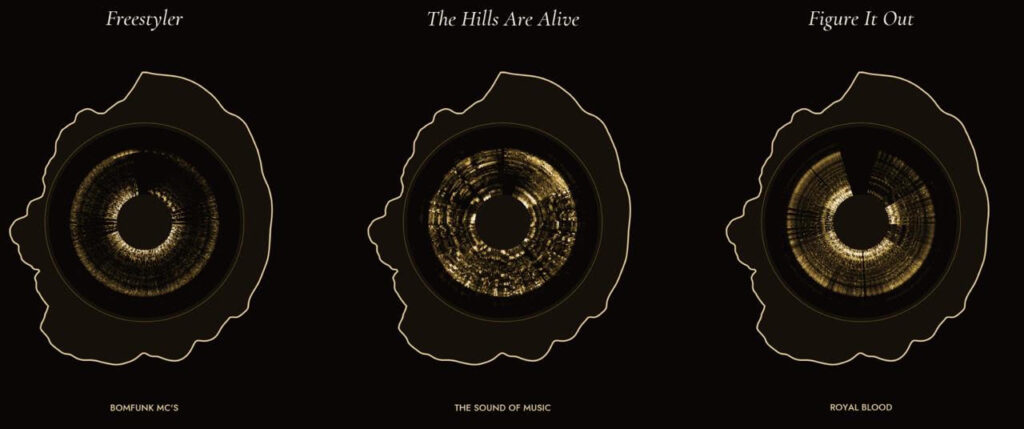
The selected track, recording or personal sound is submitted.

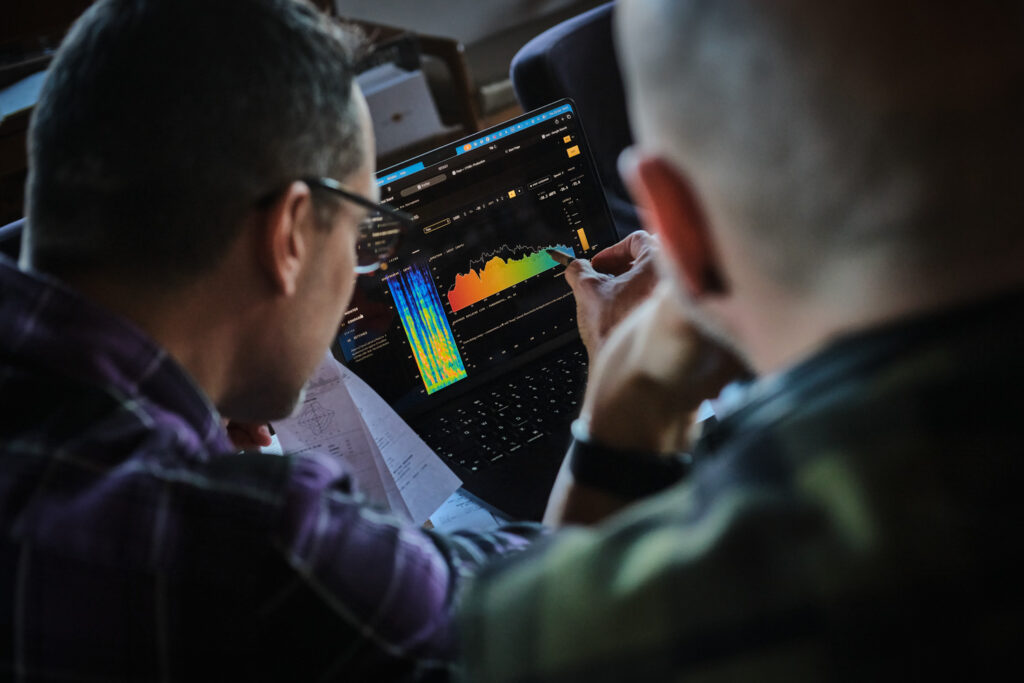
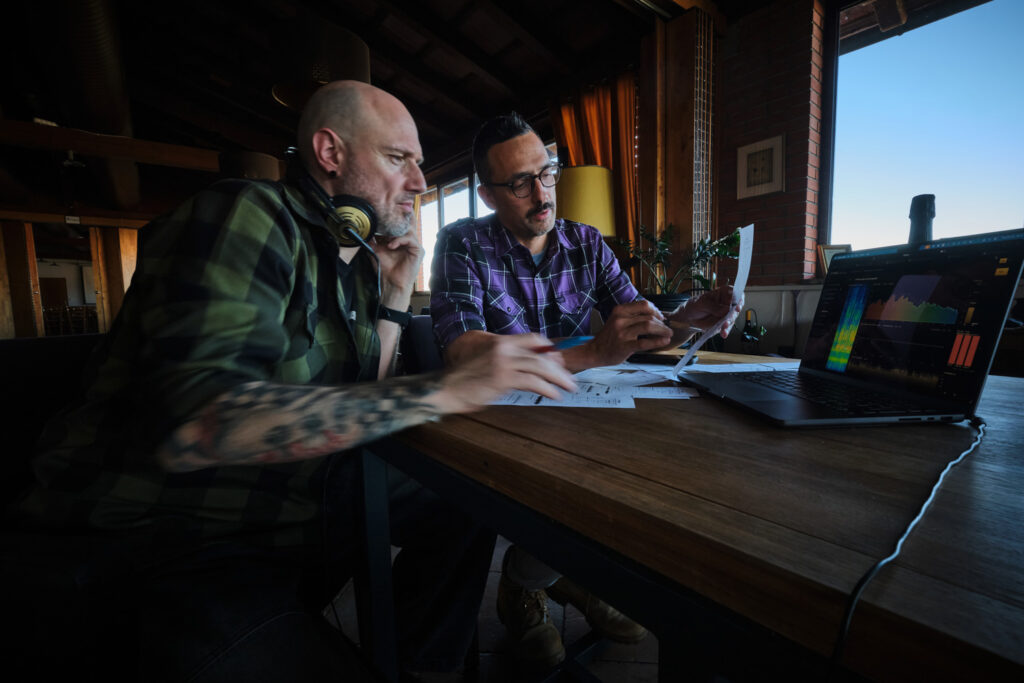
Its frequency spectrum is measured and mapped.

Output is set for the specific barrel or bottle.

The wine is exposed to the sound as controlled vibration.

Duration and conditions are recorded for that vessel.
Every bottle and every barrel follows the same five stages, so the conditions behind a result can always be reproduced.
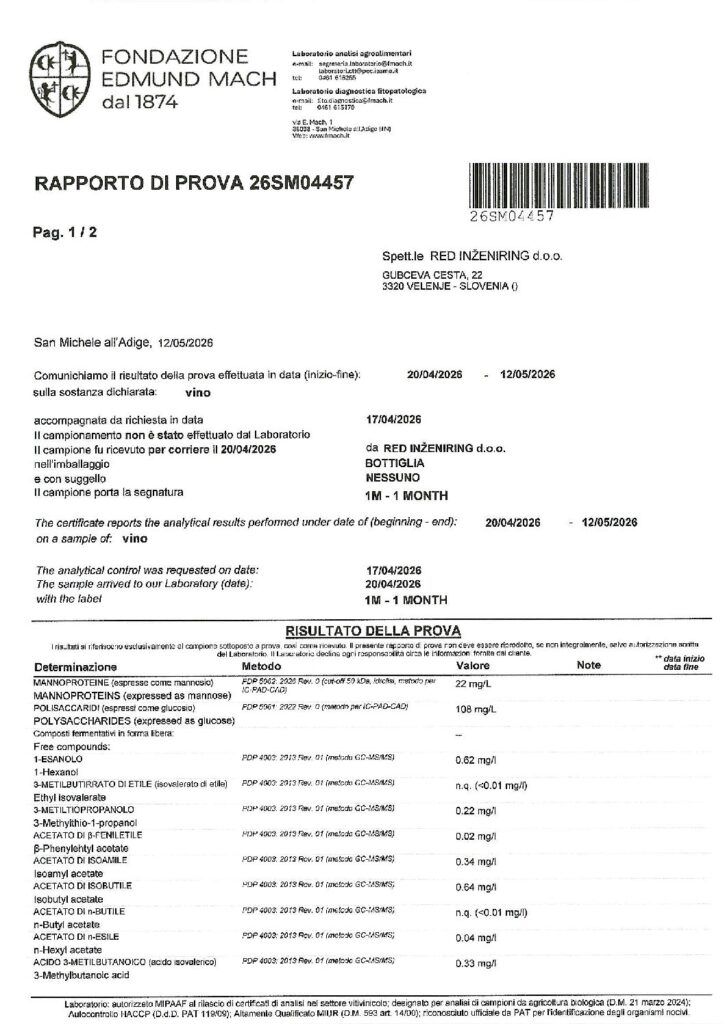
Laboratory tested at Fondazione Edmund Mach, Italy


The sparkling wine trial compared a silent control with sound-treated bottles exposed to the song Bonbon by Tabu. The clearest response appeared in structural compounds linked to sparkling-wine texture.
Bars are scaled within each compound group; percentages compare the sound-treated bottles with the silent control.

According to Professor Tatjana Košmerl, one of Slovenia's leading experts in oenology, the most sensory-relevant changes are structural. Mannoproteins and polysaccharides are associated with foam texture, bubble persistence, viscosity and mouthfeel, while the observed aroma ester changes appear more subtle and will require further sensory confirmation.
The measured levels of mannoproteins and polysaccharides reached values comparable to those typically associated with French champagnes aged for around 10 years.
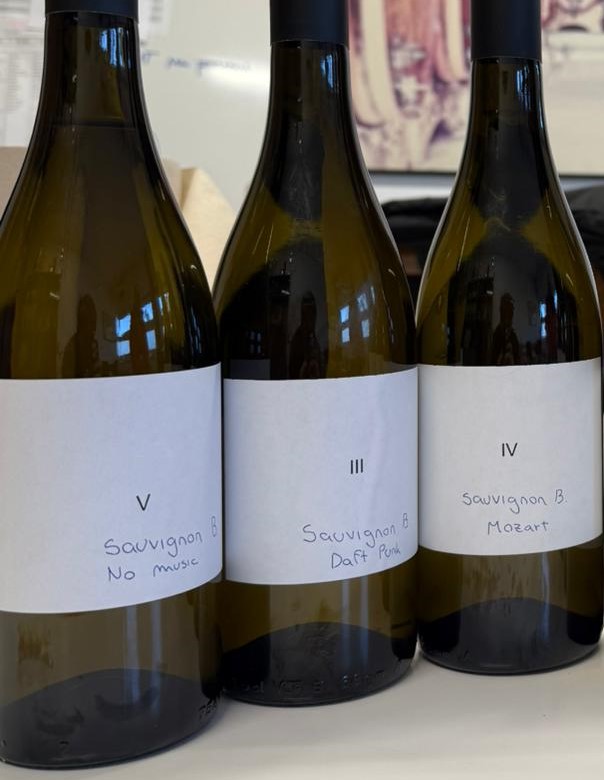
The barrel trial compared silent control wines with sound-treated wines under matched conditions. In Rebula, sound treatment increased key esters linked with fruit and creaminess. In Sauvignon Blanc, the response was strongest in volatile thiols, including grapefruit, passion fruit and blackcurrant aroma markers.
Not detectable in the silent control, 4MMP appears only after sound treatment.
Bars show the silent control against the sound-treated wine; percentages are the measured change.
Choose a sound, choose a duration, and we'll age a single bottle to it.
You must be old enough to buy alcohol in your country to enter this shop.
Sorry — you need to be of legal drinking age to visit this shop.
Please enjoy responsibly.